


Sustainable Living 2025: How Organic Farming & Biodiversity Conservation Can Transform India
As India moves toward a more sustainable future, rural communities are at the heart of this transformation. With rising concerns around chemical-based agriculture, soil degradation, climate change, and loss of natural biodiversity, there is a powerful shift toward organic farming and ecological conservation. These practices are not only environmentally sound but also crucial for improving livelihoods, strengthening communities, and securing long-term food systems. Sustainable living in 2025 is no longer an option—it is the path that can reshape rural India for generations to come.
Organic farming lies at the core of this movement. Unlike conventional farming, which often depends on synthetic fertilizers and pesticides, organic farming uses natural compost, crop rotation, bio-fertilizers, and eco-friendly pest control. These methods revive soil health, increase fertility, and produce nutrient-rich crops. For rural farmers, the shift toward organic agriculture reduces long-term input costs and protects them from the debt traps often caused by chemical farming. With the increasing demand for organic produce in Indian and global markets, farmers also gain better income opportunities and improved economic stability.
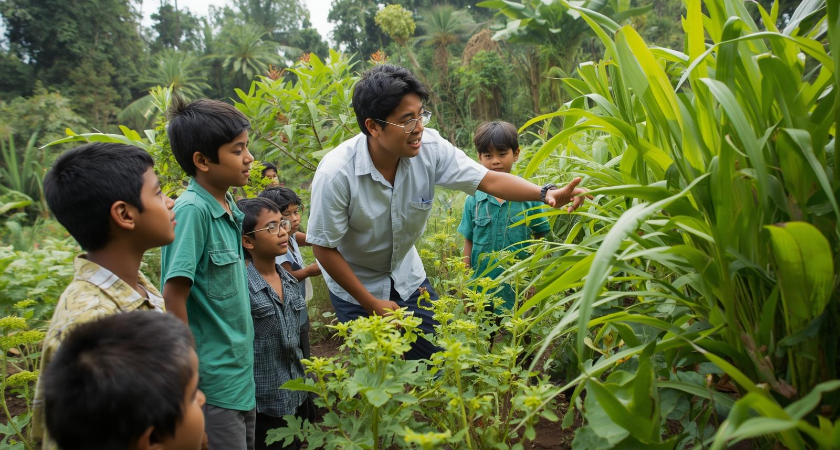
Beyond cultivation, organic farming enhances community well-being. It ensures that villages have access to chemical-free food, reducing health risks such as skin diseases, respiratory issues, and long-term chronic illnesses. Children grow up eating safe vegetables and grains, promoting stronger immunity and overall wellness. Women—who often handle kitchen gardens, seed storage, and composting—become key contributors in this sustainable system, strengthening their role within the community.
At the same time, biodiversity conservation plays a vital role in restoring ecological balance. Rural India is home to countless species of plants, birds, insects, and microorganisms that support agriculture naturally. Practices like preserving native seeds, protecting wetlands, maintaining traditional water bodies, planting indigenous trees, and encouraging natural pollinators help revive local ecosystems. A biodiverse landscape is more resilient to climate change, droughts, and pests, ensuring that farmers do not face sudden crop failures or soil damage.
When organic farming and biodiversity conservation come together, the result is a sustainable living model that benefits everyone. Villages become greener, farmers become financially stronger, and the environment thrives. Clean water sources emerge from reduced chemical runoff. Soil regains its natural texture and fertility. Birds, bees, and butterflies return, helping farms flourish naturally. This harmony between nature and livelihood creates a cycle of long-term sustainability.
As India steps into 2025 and beyond, adopting these practices at a larger scale can transform rural life. Education, awareness programs, and support from foundations, NGOs, and government initiatives will accelerate the shift. With proper training, access to organic inputs, and market connections, rural families can lead India toward a healthier and greener future.
Sustainable living is not just a trend—it is a responsibility. By choosing organic farming and protecting biodiversity, rural India can pave the way for a thriving, self-reliant, and resilient tomorrow.